How Social Media Has Transformed Customer Service for Businesses
In today’s digital world, customer service is no longer confined to phone calls, emails, or in-person interactions. Social media has changed how businesses communicate with customers, creating new opportunities for engagement, support, and relationship building.
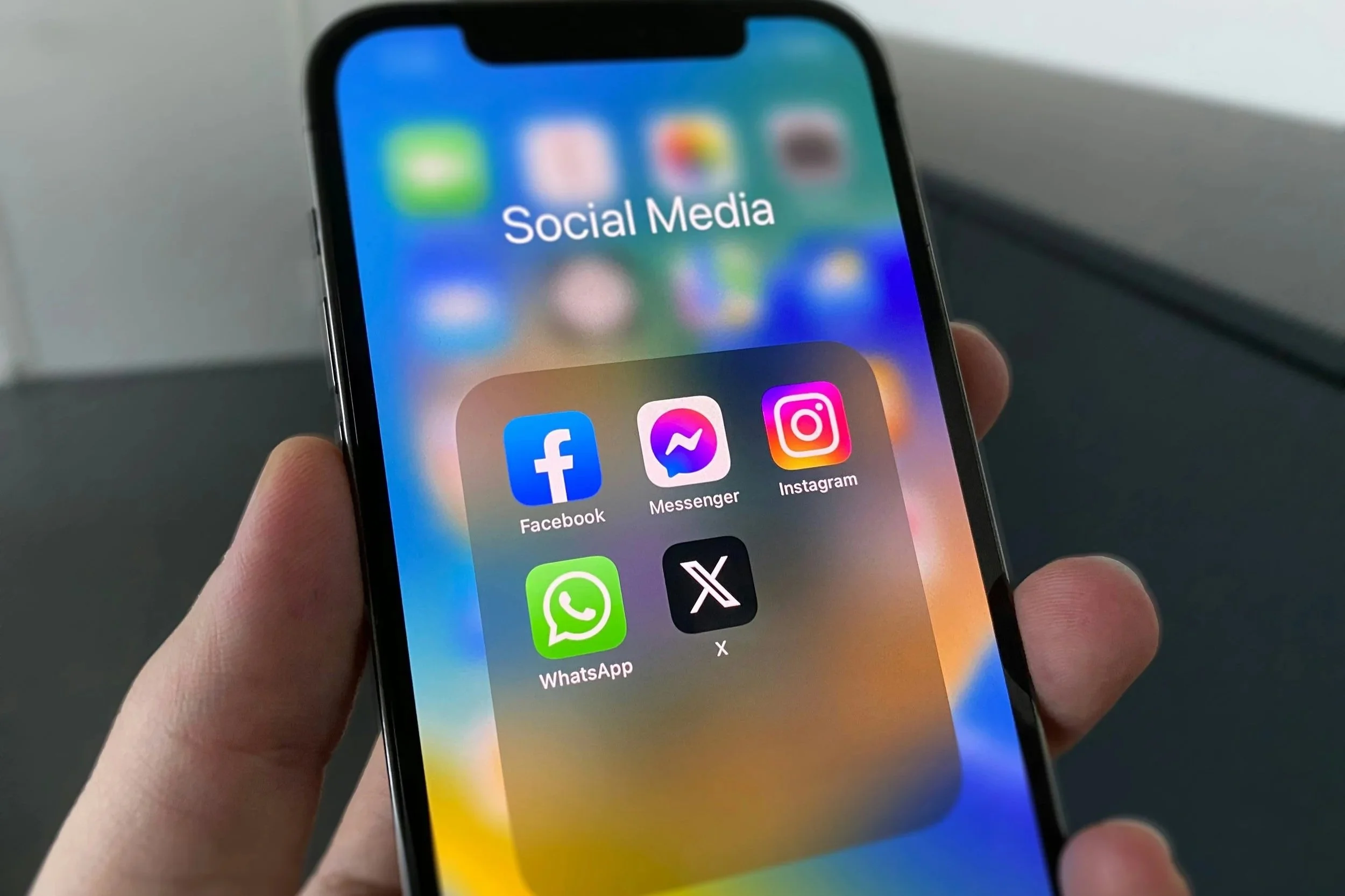
Social platforms, such as Facebook, Instagram, x (formerly Twitter), TikTok, and WhatsApp, have evolved from marketing channels into powerful customer service tools.
Think about the last time you were annoyed as a customer, or overjoyed with your experience; did you reach out to the company? Where and how did you communicate? We’ll bet it was likely on their Facebook page or another of the brand's social media accounts.
Customers now expect businesses to be accessible, responsive, and most importantly, transparent. A single social media interaction can influence not only the customer involved but also thousands of potential customers who witness the exchange. As a result, social media has become one of the most influential forces in modern customer service.
In this blog, we’ll examine how social media has transformed customer service, the benefits and challenges it can present, and how you can leverage it effectively to improve your brand’s customer satisfaction and loyalty.
What Did Customer Service Look Like Before Social Media?
Before social media took over the role, customer service was private, synchronous, and distinctly slower. Instead of public tweets or instant messaging, businesses relied on traditional channels, such as phone calls, emails, and face-to-face interactions.
Whilst these methods were effective, they often presented several limitations. Customers often faced long wait times on the phone, delayed email responses, and limited availability outside standard business hours.
Additionally, communication was typically private, making it difficult for businesses to publicly demonstrate their commitment to customer satisfaction and to understand customer sentiment in real time, often relying on surveys or formal complaints to gauge satisfaction levels. While these elements were challenging for brands, the lack of transparency was a critical issue for customers as well. If a brand didn’t provide responsive and responsible customer service channels, there was often little that could be done to hold companies accountable to customers.
The introduction of social media fundamentally changed the way customer service worked for businesses and how customers could hold those brands accountable.
The Rise of Social Media as a Customer Service Channel
Social media platforms have become an integral part of everyday life. People use them not only to connect with friends and family but also to interact with brands, ask questions, share experiences, and seek support.
Customers began turning to social media platforms for assistance, as they offered a faster, more convenient alternative to traditional support channels. Unlike email or phone support, social media conversations are visible to a broader audience. This transparency has increased accountability and encouraged businesses to provide faster, higher-quality service
Today, social media is simply not an optional add-on, but an essential part of your business strategy.
How Social Media has Transformed Customer Service
Real-Time Customer Support
One of the most significant changes social media has introduced is the expectation of immediate responses. Customers no longer have to wait hours or even days for an answer. Instead, they expect businesses to respond quickly to questions, concerns, and complaints.
The benefits of digital customer service now enable companies to provide near-instant support, often resolving issues in real time and helping address problems before they escalate.
Increased Customer Expectations
The accessibility of social media has considerably raised customer expectations. Customers now expect businesses to be available across multiple platforms and provide timely, personalized responses.
Generic, automated replies now fall flat, leading customers to seek brands that offer more meaningful interactions. If your businesses can consistently meet these expectations, you’re able to gain a competitive advantage in customer retention and brand loyalty.
Public Accountability and Transparency
Social media turned customer service into a public-facing activity. When customers share complaints online, those interactions can be viewed by hundreds or even thousands of people. This visibility creates pressure for businesses to respond professionally and resolve issues efficiently.
But at the same time, it offers an opportunity to showcase excellent customer service. A well-handled complaint can strengthen a company's reputation and demonstrate its commitment to customer satisfaction.
Enhanced Customer Relationships
Another benefit of social media customer service is the ability to interact with customers in a more personal and authentic manner. Through thoughtful messaging, celebrating customer successes, and engaging with user-generated content, businesses can build stronger emotional connections with their audience.
Furthermore, these relationships have the opportunity to lead to increased customer loyalty, repeat purchases, and positive word-of-mouth referrals.
Why You Should Start Taking Social Media Customer Service Seriously
As customer expectations continue to evolve, social media has become a strategic business tool. Companies that invest in social customer service often see improvements across customer satisfaction, brand reputation, operational efficiency, and revenue growth.
The benefits of social media customer service for your business include:
Improved customer satisfaction
Stronger brand loyalty
Cost-effective support
Valuable customer insights
Better reputation management
Summary Insider Tip: While social media offers numerous advantages, it doesn't come without its challenges. Remember to think about privacy and security concerns, maintain consistency, and be prepared for a high volume of messages.
Social Media Customer Communication Best Practice
Providing excellent customer service on social media requires more than simply replying to comments and messages. Here are some best practices your brand should follow to strengthen customer relationships and protect your brand reputation.
Follow the 24-hour rule. Customers expect timely responses, especially on social media. If possible, respond within 24 hours (or quicker)
Acknowledge the issue first. When a customer raises a concern, the first step should be acknowledging their experience. Customers want to feel heard and understood before solutions are discussed.
Keep the conversation public. Negative comments can be uncomfortable, but deleting them often creates more problems than it solves. Unless a comment contains offensive language, spam, or inappropriate content, leave it visible and respond professionally. It’s an opportunity to show other viewers how you handle the problem.
Direct customers offline. While it's important to acknowledge concerns publicly, detailed problem-solving is often best handled privately. Once you've responded publicly, provide a phone number, email address, or direct messaging option so the conversation can continue offline.
The Future of Customer Service is Social Media
Social media has fundamentally transformed customer service by making communication faster, more transparent, and more interactive. Customers now expect businesses to be responsive, accessible, and engaged across multiple digital channels.
Organizations that embrace social media customer service can strengthen customer relationships, improve satisfaction, and enhance their brand reputation. While challenges such as public complaints and high message volumes exist, the benefits far outweigh the obstacles when managed effectively.
Struggling to Meet Customer Service Expectations on Social Media?
Don't let poor communication or slow response times impact your customer relationships.
Contact Summary Content today to learn how our content marketing and digital strategy services can help you deliver a better customer experience and build lasting customer loyalty.